FG Restricts 17 Non-ECOWAS Imports Amid Wide-Ranging Trade Reforms
FG Restricts 17 Non-ECOWAS Imports Amid Wide-Ranging Trade Reforms
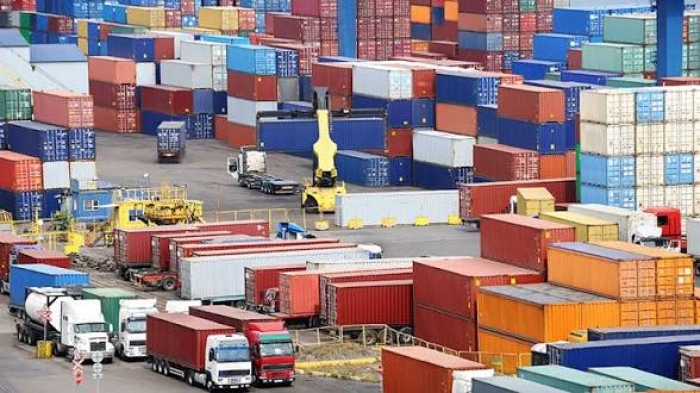
Federal Government has taken a decisive protectionist turn, banning the importation of several key goods; including poultry products, cement, pharmaceuticals, and agricultural inputs from countries outside the Economic Community of West African States (ECOWAS). The policy, outlined in a circular issued by the Federal Ministry of Finance and signed by Finance Minister Wale Edun, forms part of the 2026 fiscal policy measures aimed at reshaping Nigeria’s trade structure and strengthening regional production chains.
The revised import prohibition list covers 17 categories of goods originating from non-ECOWAS countries, signaling a strategic shift toward boosting domestic manufacturing capacity and encouraging supply partnerships within West Africa. Authorities argue the move is designed to stimulate local industry, reduce import dependence, and improve regional economic integration within ECOWAS.

Authorities have granted a 90-day grace period for importers who had already opened Form M and entered into binding trade agreements before April 1, 2026, allowing them to clear consignments under the previous duty structure. However, all new import transactions from April 1 will fall under the revised tariff regime, which supersedes the 2023 fiscal policy framework.


In addition to tightening import restrictions, the government introduced a 2 percent green tax surcharge on motor vehicles with engine capacities ranging from 2.0 litres to above 4.0 litres, reinforcing fiscal incentives aimed at influencing consumption patterns and environmental outcomes.


The policy arrives amid broader adjustments to Nigeria’s tariff architecture, including reductions in duties on selected items such as vehicles, palm oil and sugar. Analysts say the combined measures reflect an attempt to balance inflation pressures with industrial policy goals, while nudging investors toward local production and regional supply chains within ECOWAS.
From a strategic standpoint, the restriction on imported cement, pharmaceuticals and agricultural inputs may encourage local capacity expansion but could also expose structural gaps in domestic production if supply fails to scale quickly enough to meet demand.
Below are list of the items on the revised import prohibition list.
- Live or dead birds, including frozen poultry
- Pork, beef and other bovine parts such as tongues, livers and shoulders
- Bird eggs, excluding hatching eggs for breeding and research purposes
- Refined vegetable oil (excluding linseed oil, castor oil, olive oil and hydrogenated vegetable fats)
- Cane or beet sugar and chemically pure sucrose in solid form with added flavouring or colouring
- Cocoa butter, cocoa powder and cocoa cake, including cocoa fats and oils
- Tomatoes, including whole tomatoes, tomato paste and concentrates
- Waters, including mineral and aerated waters containing added sugar or flavouring, as well as other non-alcoholic beverages
- Bagged cement
- Medicaments (pharmaceutical products) under several classifications
- Waste pharmaceuticals
- Mineral or chemical fertilisers containing nitrogen, phosphorus and potassium (NPK)
- Soaps and detergents
- Corrugated paper and paperboard cartons, boxes and cases
- Hollow glass bottles above 150ml capacity, including bottles and flasks
- Flat-rolled iron or non-alloy steel products (600mm width or more), including coated corrugated sheets
- Ballpoint pens and parts, including ink reservoirs and refills
What to Know:
The policy signals a strong push toward regional self-sufficiency, but its success will depend heavily on whether Nigeria and ECOWAS producers can deliver sufficient quality and quantity at competitive prices. Without rapid expansion in domestic manufacturing capacity especially in pharmaceuticals, fertilisers, and cement; the restrictions risk tightening supply, increasing prices, and worsening inflation pressures for households and businesses already under strain. The challenge for policymakers will be balancing industrial protection with affordability, ensuring that consumers do not bear the cost of supply shortages or inefficiencies in local production.
SOURCE: NEWS SCROLL