Cooking gas price rises 8.3% to ₦1,300 Per Kilogram supply deficit, global energy market volatility push up LPG costs
Cooking gas price rises 8.3% to ₦1,300 Per Kilogram supply deficit, global energy market volatility push up LPG costs
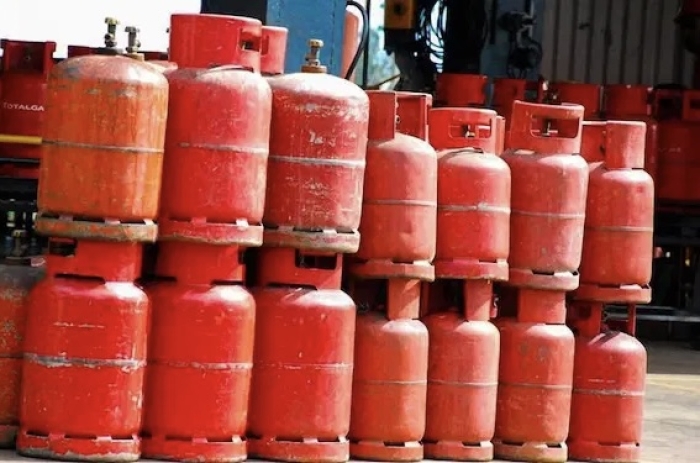
The price of Liquefied Petroleum Gas (LPG), commonly known as cooking gas, has risen by 8.3 per cent month-on-month to about ₦1,300 per kilogram, amid rising energy costs and supply constraints in the domestic market.
The price increased from ₦1,200 per kilogram in August to about ₦1,300 as of September 16, 2026.

Checks in Lagos showed that accredited gas plants were selling the product at about ₦1,300 per kilogram, while some smaller outlets charged between ₦1,350 and ₦1,400, depending on location.


Dealers said prices were higher in some other parts of the country.


The National President of the Nigerian Association of Liquefied Petroleum Gas Marketers (NALPGAM), Inyang Edu, attributed the increase to a combination of domestic and international factors, including higher energy prices, shipping and insurance costs, foreign exchange exposure, logistics and tighter domestic supply.
Edu said the conflict involving the United States and Iran had created fresh volatility in global energy markets, with the impact extending to Nigeria through higher supply and replacement costs.
“For Nigeria, the effect is transmitted through several channels: international energy prices, shipping and insurance costs, foreign-exchange exposure, domestic logistics and, most importantly for LPG, the availability and cost of supply into the domestic market,” he said.
He explained that rising depot prices left marketers with little option but to adjust their retail prices, as selling at previous rates could result in losses.
According to him, marketers must recover the costs of transportation, loading, financing, plant operations, personnel and maintenance.
Edu warned that the increase would affect not only households but also businesses that depend on cooking gas, including restaurants, bakeries, hotels, schools and food vendors.
He said higher LPG prices could translate into increased food and service costs, while low-income households might be forced to reduce their consumption or return to the use of firewood and charcoal.
Such a development, he added, could undermine Nigeria’s clean-cooking objectives and raise environmental and public-health concerns.
The NALPGAM president also identified domestic supply constraints as another factor contributing to the price increase.
He cited a year-to-date LPG supply deficit of about 91,966 metric tonnes reported by the Nigerian Midstream and Downstream Petroleum Regulatory Authority as of June 2026.
At the depot level, prices also varied considerably across suppliers.
As of September 16, 20 metric tonnes of LPG in Lagos traded broadly between ₦20 million and ₦22.7 million, depending on the supplier.
Market listings showed that Ardova sold the product at about ₦22 million, while Stockgap quoted approximately ₦22.7 million. Panocean’s price stood at around ₦20 million, while some other transactions were between ₦19.9 million and ₦20.3 million.
Edu said the price differences reflected variations in product availability, source of supply, location, logistics and commercial arrangements between buyers and suppliers.
The latest increase adds to the cost of household energy and raises concerns about the affordability of cleaner cooking alternatives for Nigerian consumers.