Africa increasingly relies on Dangote refinery as global fuel disruptions deepen
Africa increasingly relies on Dangote refinery as global fuel disruptions deepen
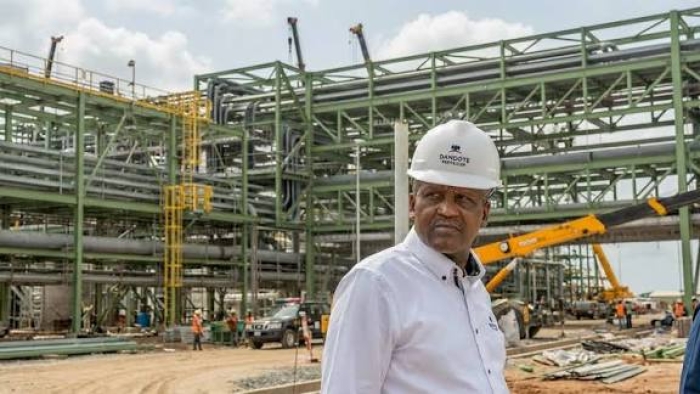
Africa’s struggle to secure energy supplies is intensifying, with several countries—led by South Africa—turning to the Dangote Petroleum Refinery. This shift is driven not just by strategy, but by mounting urgency as global fuel supply chains face significant disruptions.
The Lagos-based refinery, with a capacity of 650,000 barrels per day, is attracting growing attention from African governments searching for alternatives to strained Middle Eastern supply routes. Ongoing geopolitical tensions, particularly the US-Israel conflict involving Iran, continue to unsettle global energy markets. As a result, the situation highlights less of an industrial success story and more of Africa’s vulnerability to external shocks.

Reports from Bloomberg suggest a major shift in priorities: while pricing once dominated decision-making, the immediate need to secure fuel supplies has taken precedence.


Aliko Dangote, President of the Dangote Group, emphasized this reality in an interview with The Economist, noting that availability—not cost—is now the primary concern, and the situation may persist for some time.


South Africa is already adjusting its approach, with officials confirming efforts to source both crude oil and refined products from a wider range of suppliers. This reflects concerns that prolonged instability in the Persian Gulf could disrupt critical fuel flows and affect economic stability.
Government representatives say active steps are being taken to coordinate with industry players and diversify supply sources. However, beyond these assurances, the urgency is clear. Many African nations are racing to secure fuel deals amid fears of shortages and volatile prices that could impact their domestic economies.
At the center of this shift is the Dangote Refinery, now emerging as a key regional fallback. Still, its growing importance raises concerns about overreliance, potential pricing influence, and whether Africa may simply be exchanging one dependency for another—albeit closer to home.
Within Nigeria, the refinery’s impact has been mixed. While it has helped reduce persistent fuel shortages, high pump prices remain a challenge for consumers, indicating that increased supply has not necessarily improved affordability.
As global energy systems become more fragmented and politically charged, Africa’s increasing dependence on Dangote reflects both a practical response to current challenges and a reminder of the continent’s limited control over its energy future—caught between external pressures and internal structural issues.