Nigeria’s energy inflation falls sharply as cost pressures persist
Nigeria’s energy inflation falls sharply as cost pressures persist
Nigeria’s energy inflation rate slowed sharply to 4.37% in July 2026, its lowest level in four months, according to the latest Consumer Price Index report from the National Bureau of Statistics.
The rate fell by 5.46 percentage points from 9.83% in June, extending the volatile movement in energy prices recorded since the beginning of the year.

Energy inflation opened 2026 at 11.20% in January and rose to 12.57% in February. It subsequently declined to 9.89% in March and 4.50% in April before climbing to 5.73% in May and 9.83% in June. July’s 4.37% reading was the lowest since April and meant that energy inflation remained below 10% in four of the year’s first seven months.


However, the statistical slowdown has yet to translate into substantial relief for many households and businesses, which continue to grapple with high petrol, diesel and electricity costs.


Central Bank of Nigeria’s latest survey showed that 60.9% of businesses reported increased inflation-related expenditure in July, compared with 55.9% of households. Energy recorded the highest inflation-perception score among both groups, reaching 74.1 points for businesses and 61.9 points for households.
The findings suggest that although energy prices are increasing more slowly, their already elevated levels continue to strain family budgets, transportation costs and business operations.
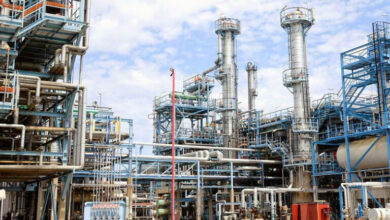
The moderation comes amid regulatory and pricing changes in Nigeria’s downstream petroleum industry. The Nigerian Midstream and Downstream Petroleum Regulatory Authority has proposed regulations prohibiting petroleum companies from coordinating prices, restricting supplies or entering market-sharing arrangements capable of undermining competition.
The proposals followed renewed allegations of coordinated pricing in the downstream market. Separately, the Dangote Refinery reduced its ex-depot petrol price to N1,075 per litre on July 2 after global crude oil prices declined.
International developments nevertheless remain a risk. Renewed tensions involving the US and Iran have pushed oil prices higher, raising the possibility that imported costs could again place pressure on domestic fuel prices.