Nigeria’s Food Inflation Falls to 14-Year Low, Returns to Single Digit
Nigeria’s Food Inflation Falls to 14-Year Low, Returns to Single Digit
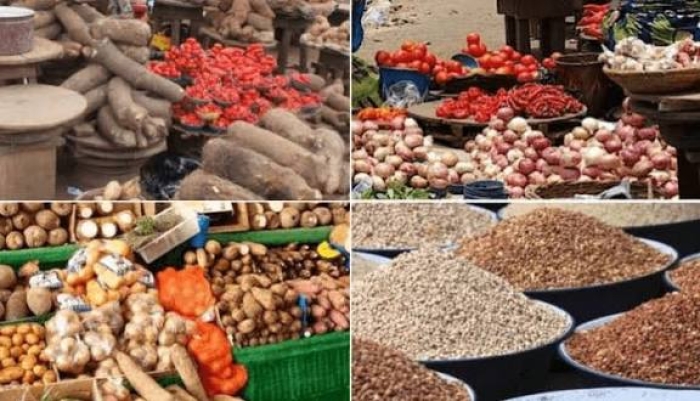
Nigeria’s food inflation rate declined sharply to 8.89 per cent year-on-year in January 2026, its lowest level in more than 14 years, according to the latest Consumer Price Index (CPI) report released by the National Bureau of Statistics.

The figure marks the first time in 128 months that food inflation has dropped to single digits. The last comparable level was recorded in August 2011, when the rate stood at 8.66 per cent. The latest reading represents a significant turnaround from June 2024, when food inflation peaked at 40.87 per cent amid widespread price pressures.

Data from the bureau shows a year-on-year decline of 20.73 percentage points from the 29.63 per cent recorded in January 2025. On a month-on-month basis, food prices contracted by 6.02 per cent in January, indicating an overall reduction in average costs.


The NBS attributed the moderation to price declines in key staples such as water yams, eggs, groundnut oil, maize, beans, beef and cassava. However, the 12-month average food inflation rate remains elevated at 20.29 per cent, reflecting the cumulative impact of price spikes recorded between 2022 and 2024.

Headline Inflation Also Eases
Headline inflation edged down to 15.10 per cent in January 2026 from 15.15 per cent in December, defying projections by some analysts who had anticipated an increase toward 19 per cent. The January figure represents the lowest headline inflation rate since November 2020.

The Consumer Price Index declined by 3.8 points during the month, suggesting a broad-based easing in price levels nationwide.
State-level data showed notable disparities. Benue and Kogi recorded the highest year-on-year headline inflation rates at 22.48 per cent and 20.98 per cent respectively, while Ebonyi and Katsina posted the lowest rates, each below nine per cent.
Urban inflation stood at 15.36 per cent, compared to 14.44 per cent in rural areas. Core inflation, which excludes volatile agricultural produce and energy prices, declined to 17.72 per cent from 25.27 per cent recorded a year earlier.
Broader Context
While the statistical decline signals a cooling inflationary trend, analysts note that many consumers may still experience high living costs, given that prices remain elevated compared to pre-crisis levels. The improvement has been linked largely to seasonal agricultural output and relative exchange rate stability.
Observers caution that without structural reforms addressing logistics, energy costs and food supply chains, the current moderation may prove fragile despite the positive macroeconomic indicators.