Nigerians Prepare for Tougher Conditions as Petrol Prices Keep Climbing
Nigerians Prepare for Tougher Conditions as Petrol Prices Keep Climbing
Nigeria’s deepening fuel price crisis is placing increasing strain on households and businesses, as the cost of Premium Motor Spirit (PMS) rises to nearly ₦1,400 per litre in many parts of the country. The surge is worsening an already difficult cost-of-living situation, with transport operators, commuters, and small business owners reporting that higher fuel prices are cutting into incomes and forcing major adjustments to daily life.
Checks across major cities indicate that the spike is largely tied to rising global crude oil prices, which recently approached $120 per barrel before easing slightly to about $112 amid heightened tensions in the Middle East. This increase has driven up local supply costs, prompting Dangote to raise its gantry price from ₦1,175 to ₦1,245 per litre. Fuel marketers have since adjusted pump prices nationwide, now ranging between ₦1,310 and ₦1,400 depending on location.

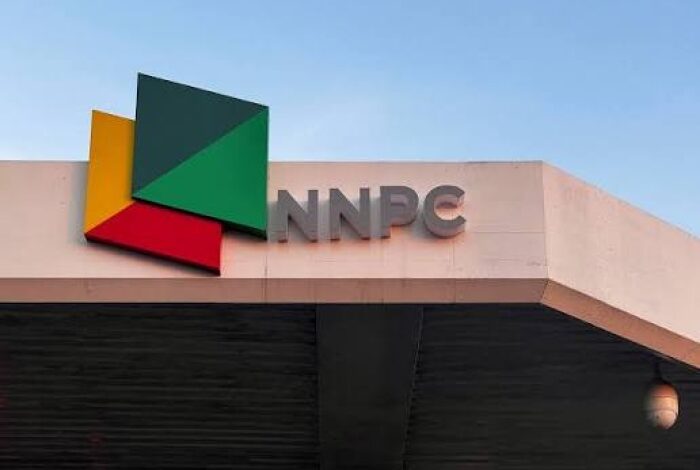
In Lagos, commercial drivers say the hikes have significantly reduced their earnings and affected passenger demand. Over the weekend, pump prices at several stations hovered between ₦1,320 and ₦1,330, with some briefly reaching ₦1,380. Outlets run by the Nigerian National Petroleum Company Limited (NNPCL) also raised prices multiple times within days, reflecting ongoing instability in the downstream sector.


Drivers say the financial pressure is mounting. Toheeb Sulaimon, who operates along the Ogba–Ikeja route, explained that while he once spent about ₦9,000 on fuel and earned up to ₦30,000 daily when petrol sold for ₦800 per litre, the situation has drastically changed. With fuel costs now nearly doubled, passenger numbers have dropped. Similarly, Maduka Chibo noted that his daily fuel expenses have climbed above ₦20,000, compared to about ₦10,000 previously, leaving him with far slimmer margins.

Northern cities are also feeling the impact. In Kano, petrol prices have reached as high as ₦1,390 per litre, prompting increases in transport fares. Some filling stations raised prices from around ₦1,330 to nearly ₦1,390. Residents report sharp fare hikes, with one commuter, Ismail Mabo, saying he paid ₦4,000 for a trip that typically costs ₦1,000. Others warn that continued increases may force many car owners off the road or push them into commercial driving to cope.
In Abuja, prices continue to rise, with fuel selling between ₦1,361 and ₦1,370 per litre at several stations following a new pricing template from MRS Oil Nigeria Plc. Although the company set a benchmark price of ₦1,332, final costs vary due to logistics and distribution factors. Residents say the increases are adding to financial strain, especially as wages have not kept pace with inflation.

Kwara State faces similar challenges. In Ilorin, petrol prices range from ₦1,295 to ₦1,343 per litre, putting additional pressure on household budgets. A civil servant, Oladuni Lateefat, said transportation now consumes a large portion of her income, forcing her to consider abandoning her personal vehicle. Businesses are also feeling the impact, with a local cement dealer confirming a ₦500 increase in cement prices due to higher fuel and transport costs, with more increases expected.
In the South-South region, the situation is further complicated by a growing gap between official and black-market prices. In cities like Port Harcourt and Yenagoa, petrol sells for ₦1,300 to ₦1,400 at official stations, while informal market prices have risen as high as ₦1,800 per litre. Transport fares have surged accordingly, with short trips doubling in cost and inter-state travel, such as from Yenagoa to Uyo, increasing from about ₦9,000 earlier in the year to around ₦11,000.
Overall, the continued rise in fuel prices is rippling across the economy, intensifying financial pressure on Nigerians and raising concerns about how long households and businesses can sustain the burden.