Scholars call for new approach to Anthropology in Africa at AFAA 2026 conference …advocate stronger community engagement, African-centred research at University of Ibadan gathering
Scholars call for new approach to Anthropology in Africa at AFAA 2026 conference …advocate stronger community engagement, African-centred research at University of Ibadan gathering
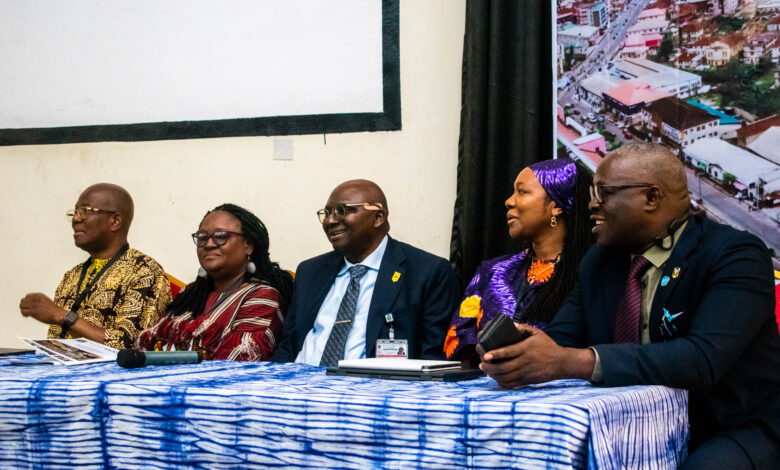
Academics, researchers and anthropology scholars from different parts of Africa and beyond have called for a fresh approach to anthropological research and engagement on the continent to address emerging social, cultural and developmental challenges.
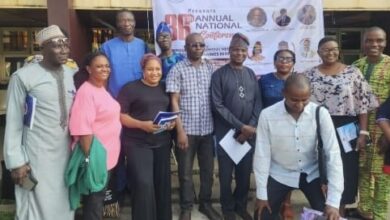
The call was made during the 2026 Conference of the Association for Africanist Anthropology (AFAA), held at the Institute of African Studies, University of Ibadan, from July 2 to 4.



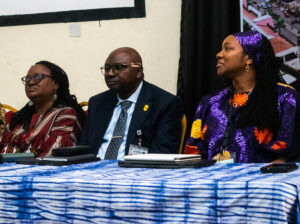
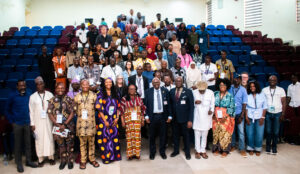
The three-day conference, themed “Theory and Praxis: Rethinking Anthropological Engagements in Africa in the 21st Century,” brought together scholars, students, researchers and practitioners from across Africa, Europe and North America to examine the changing role of anthropology in Africa and how the discipline can contribute more effectively to addressing contemporary social, political, cultural and developmental issues.
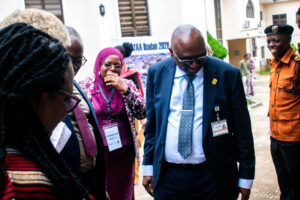
The conference opened with the University of Ibadan leadership declaring the conference open, the Vice-Chancellor, Professor Kayode Oyebode Adebowale, commended the organisers for choosing the University of Ibadan as the host institution and reaffirmed the university’s commitment to advancing research, international collaboration and intellectual engagement.



Adebowale described the University of Ibadan as not only Nigeria’s premier university but also one of Africa’s leading centres of academic excellence. The Vice Chancellor joined by Mr Ganiyu Oke Saliu, the Registrar, University of Ibadan welcomed participants from within and outside Nigeria, particularly international delegates, stressing that strategic partnerships and global collaborations remain essential to strengthening research and higher education on the continent.
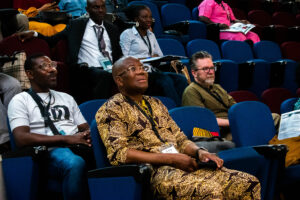
To officially receive the delegates and encourage academic networking, the university hosted a welcome cocktail for participants at the commencement of the conference.
Also present at the opening ceremony were the Director of the Institute of African Studies, Professor Sola Olorunyomi; the Head of the Department of Archaeology and Anthropology, Professor Francisca Ukpokolo; alongside other principal officers of the university.

Delivering the keynote address, Professor Yolanda Covington-Ward of the University of Massachusetts challenged African scholars to deepen community-based research and produce knowledge that responds directly to the realities and needs of African societies.
She stressed the importance of strengthening collaboration between researchers and local communities, noting that anthropology should not only interpret cultures but also contribute practical solutions to social, economic and developmental problems.
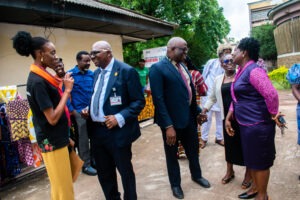
Speaking during the conference, the President of the Association for Africanist Anthropology (AFAA), Professor Omolade Adunbi, underscored the need for African scholars to continue promoting research that reflects African perspectives and lived experiences.
According to him, anthropology remains a vital discipline for understanding Africa’s diverse cultures, identities and rapidly changing societies, particularly in an era of globalisation, migration and technological transformation.
He also highlighted the importance of strengthening the institutional presence of anthropology on the continent, advocating the establishment of a dedicated national chapter or equivalent professional body for anthropologists in Nigeria.
According to him, such a platform would deepen collaboration with global anthropological associations, promote international academic exchanges, strengthen professional networking and ensure the long-term growth and sustainability of anthropology within Nigeria and across Africa.
Participants also heard presentations from Dr Dina Asfaha, a Postdoctoral Research Scientist in Anthropology at the Massachusetts Institute of Technology (MIT), alongside several other scholars who presented research findings on diverse aspects of anthropology, identity, migration, culture, governance, development and social transformation across Africa.
One of the major highlights of the conference was a practical workshop organised for undergraduate and postgraduate students.
The interactive session, facilitated by Dr Dina Asfaha, Professor Omolade Adunbi and Dr. Olayiwola Olubukola, provided participants with practical guidance on academic writing, research ethics, publication processes and career development within anthropology.
The facilitators also exposed students to opportunities for postgraduate studies, research grants, fellowships and international collaborations while encouraging them to build sustainable mentorship relationships that would support their academic and professional growth.
Throughout the conference, participants engaged in several panel sessions covering contemporary issues such as climate change, conflicts and constricting borders, digital culture and technological transformations, consumption practices, commonality, migration, access and the impact of 21st-century globalisation on African societies.
The discussions examined how anthropology can respond more effectively to emerging realities through innovative research, community partnerships and policy engagement.
The interactive sessions also provided opportunities for scholars from different countries and institutions to exchange ideas, establish academic networks and explore collaborative research initiatives capable of contributing to sustainable development across Africa.
At the closing ceremony, participants commended the Local Organising Committee for the successful planning and smooth coordination of the conference.
Special appreciation was extended to the Chair of the Local Organising Committee, Professor Francisca Ukpokolo, as well as Dr Oladapo Ajayi, Dr Moruff Mudasiru and Ms Jane Adeniji for their commitment and hard work in ensuring the successful hosting of the conference.
The organisers expressed optimism that the ideas, recommendations and partnerships generated during the conference would stimulate more innovative, inclusive and community-centred anthropological research while strengthening collaboration among African scholars and their counterparts across the world.